

Your guide to the Japanese Onsen
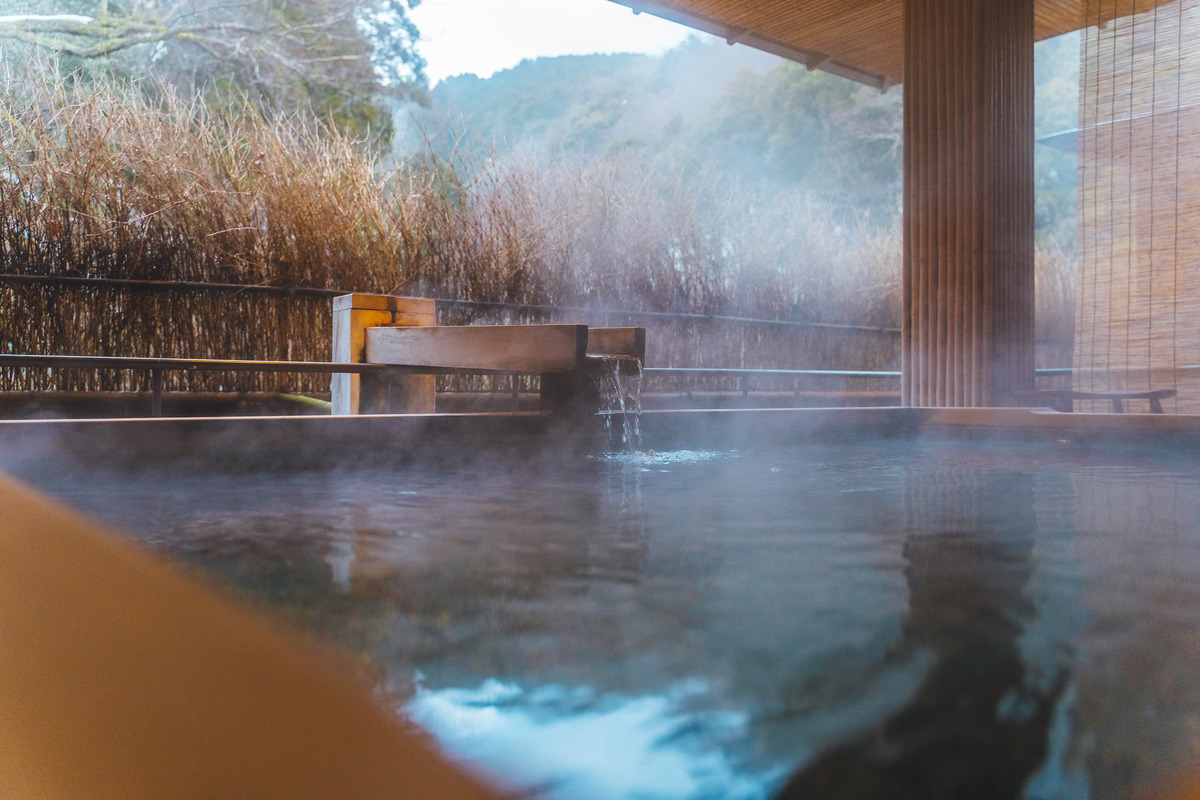
Exploring the Tradition of Japanese Onsens
Japan is renowned for its rich culture and unique traditions, and one of the most beloved experiences is visiting an onsen, or hot spring bath. Onsens have been a part of Japanese culture for centuries, offering relaxation, rejuvenation, and a chance to immerse oneself in the country's natural beauty. Let's dive into the world of Japanese onsens and discover what makes them so special.
Finding the Changing Room
The first step in enjoying an onsen is locating the gender-segregated changing areas, typically identified by colored curtains. Blue curtains often indicate the men's bath, while red curtains signify the women's bath. However, it's important to pay attention to the specific kanji characters on the curtains to ensure you enter the correct area.
Inside the Changing Room
Changing rooms provide a space to undress and store your belongings while you bathe. You'll find shelves, baskets, or lockers for your clothes, and some facilities may offer amenities like hair dryers and tissue paper. If you have valuables, look for coin lockers or safe boxes for secure storage.
Towels: Small and Large
Two types of towels are commonly used at Japanese baths:
- Small towels: Used inside the bath for washing and covering yourself when moving around the bathing areas.
- Large towels: Left in the changing room and used to dry off after the bath.
Towels are usually provided at ryokans and hotels, while public bath houses often sell or rent them for a small fee. You're also welcome to bring your own towels.
Taking a Bath: Step by Step
Here is a guide to taking an onsen bath step-by-step:
- Undress in the changing room and store your clothes and large towel in a basket.
- Bring a small towel into the bathing area for privacy.
- Rinse your body thoroughly before entering the bath.
- Soak in the hot spring, which typically ranges from 40-44°C (104-111°F).
- Keep your small towel out of the water, either at the side of the bath or folded on your head.
- Avoid talking loudly, swimming, or submerging your head. Tie up long hair before entering the bath.
- Try different baths and take breaks as needed.
- After soaking, pat yourself dry with the small towel before re-entering the changing room.
- Use your large towel to dry off further in the changing room.
Remember, the primary purpose of visiting an onsen is to relax and absorb the mineral-rich waters, not to clean your body.
Health Concerns and Precautions
While hot spring bathing is relaxing, it can be demanding on the body. Take care not to overdo it, especially if you have high blood pressure or other health conditions. Drink plenty of water, avoid alcohol, and don't bathe immediately after a meal.
Be cautious of slippery floors and underwater steps, as some hot spring waters can be cloudy or non-transparent. Enter the tubs slowly and move around carefully to prevent slip and fall injuries.
Immersing yourself in the tradition of Japanese onsens is an unforgettable experience that offers a glimpse into the country's rich cultural heritage. By following these guidelines and embracing the tranquility of the hot springs, you'll discover the true essence of relaxation and rejuvenation.
Share
Related Posts
Discover the Timeless Charm of Zao Onsen
Overview of Zao Onsen, hot spring town in Yamagata, including history, sightseeing spots and activities.

Discover the Charms of Yugawara Onsen, A Cozy Hakone Alternative
Overview of Yugawara Onsen, hot spring town in Kanagawa, including history, sightseeing spots and activities.
Yudanaka Onsen, A Haven of Healing Hot Springs
Overview of Yudanaka Onsen, hot spring town in Nagano, including history, sightseeing spots and activities.